Domestic Cleaning in London

Domestic cleaning in London should make everyday upkeep feel more manageable, whether you need regular help with floors, surfaces, kitchens or bathrooms, or a more detailed reset of the whole home. We focus on practical household cleaning that supports a tidy, comfortable living space without turning the process into something complicated. The work can be shaped around the rooms you use most, the finish you want to keep, and the areas that need the most attention.
For many homes, the most useful approach is a clear cleaning plan that treats each room properly rather than rushing through the obvious spots. That may mean dusting, vacuuming, wiping reachable surfaces, cleaning sinks and taps, and paying close attention to rooms that pick up grease, soap marks or everyday wear. Good domestic cleaning is not only about appearance; it also helps keep the home pleasant to live in from one visit to the next.
If you are looking for a straightforward quotation, please send the details of the rooms and cleaning tasks you want covered. We will then help you choose the most suitable service level and next step. For a broader view of what we cover, you can also explore our domestic cleaning service alongside the sections below.
Regular cleaning for busy households
Regular domestic cleaning is usually the best fit when a home needs steady upkeep rather than an occasional deep reset. It can cover the recurring jobs that keep dust, grime and general untidiness under control, including wiping reachable surfaces, cleaning high-touch points, tidying visible areas and leaving floors fresh. The value of this kind of work is consistency: the same rooms receive the same care each time, so standards are easier to maintain.
In practice, regular cleaning often centres on the rooms that see daily use. Kitchens need careful attention because cooking residue gathers quickly on worktops, cupboard fronts and splashbacks. Bathrooms benefit from focused cleaning around basins, taps, toilets, showers and tiles. Living rooms, hallways and bedrooms usually need dust removal, vacuuming and a sensible finish that makes the whole property feel looked after. If you are comparing service options, the house cleaning page can help you see how a home-focused visit is typically structured.
When a household wants a repeated visit, it is useful to think about what matters most: floor care, bathroom detail, kitchen hygiene or general room upkeep. That lets the cleaning plan stay focused and avoids paying for work you do not need. A reliable routine should feel practical, not decorative, and it should support the way the home is actually used. You can request a quotation once the main areas have been identified.
Kitchen and bathroom cleaning
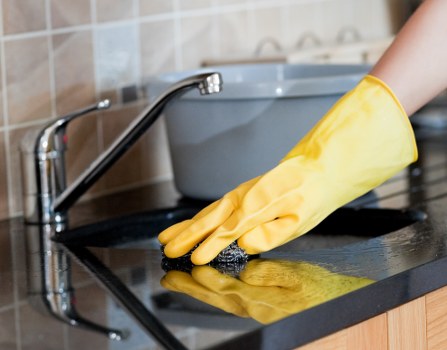
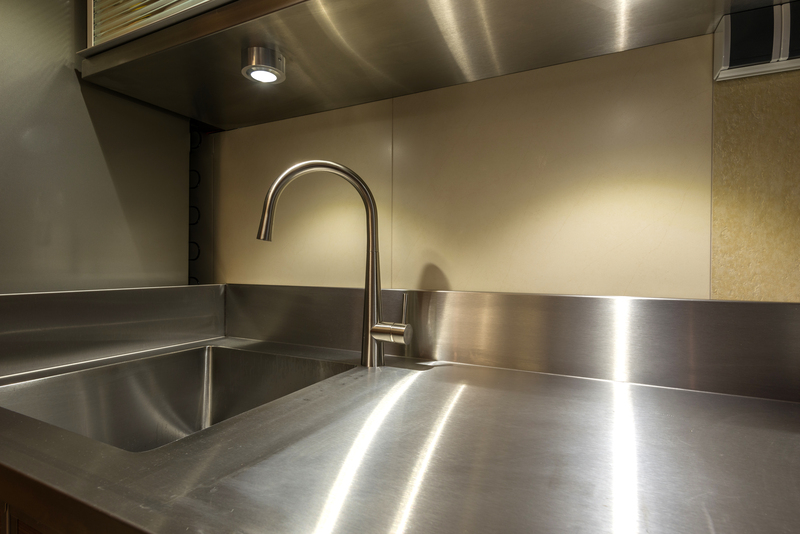
Kitchens and bathrooms deserve a more detailed approach because they collect the kinds of marks that quickly become noticeable: grease, limescale, soap film, fingerprints and splashes. Domestic cleaning in London often needs to place extra emphasis on these rooms so that the rest of the home is not carrying the burden of neglected hygiene areas. A careful clean can include worktops, taps, sinks, splash zones, fronts and fixtures, as well as attention to the edges and corners where residue tends to settle.
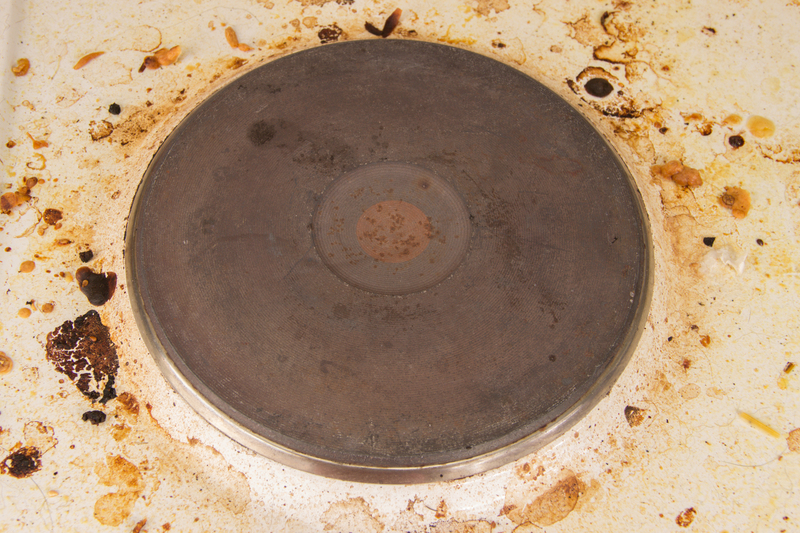
In a kitchen, the aim is usually to leave the room looking orderly and ready for everyday use. That can involve wiping cupboards from the outside, cleaning appliance exteriors where accessible, refreshing the hob area, and dealing with the surfaces around the sink and preparation spaces. In a bathroom, the useful detail is different: polishing taps, dealing with scale on fittings, cleaning sanitaryware, and making sure tiles and screens receive proper attention. For a more intensive version of this work, see deep cleaning.
These rooms can take longer than open living areas because they demand more targeted work. That is one reason quotations are easier to prepare when you are clear about whether you want a light refresh, a routine clean or a more thorough clean of fittings and surfaces. If the kitchen or bathroom is the main concern, say so at the outset and we can shape the service accordingly. For homes that need a detailed one-off reset, the one-off cleaning option may also be relevant.
Bedrooms, living areas and routine upkeep

Bedrooms and living areas benefit from a calmer, more orderly cleaning pattern that keeps dust and clutter from building up. These rooms are often where people relax, work, read or sleep, so the finish should be comfortable as well as clean. Typical tasks include dusting surfaces, wiping reachable furniture, vacuuming carpets or rugs, and giving attention to visible marks on doors, skirting and frames where appropriate. The goal is a space that feels properly looked after without unnecessary disturbance.
Some households prefer a stronger focus on floors and soft furnishings, while others want surfaces and touch points handled first. That balance can be adjusted to suit the property and the way it is used. If carpets, rugs or sofas need specific care, those can often be arranged alongside general room cleaning rather than treated as separate concerns. A useful next step is to review the specialist pages for carpet cleaning and sofa cleaning if those items are central to your request.
For homes with children, pets or frequent visitors, routine upkeep may need a slightly more careful finish around edges, soft furnishings and high-contact surfaces. That does not mean overcomplicating the job; it simply means choosing the right priorities for the room. Clean rooms work better when the cleaning matches real use, so the plan should reflect how each area functions rather than following a one-size-fits-all pattern. A quotation can be based on those room-by-room priorities.
One-off cleans and seasonal resets
Sometimes domestic cleaning is needed as a one-off rather than as part of a regular schedule. This is common when a home needs a seasonal reset, a pre-guest refresh or a careful tidy-up after a busy period. A one-off clean can bring together several tasks that might normally be spread across different visits, with the emphasis on bringing the whole property back to a neat and manageable standard. The service is flexible, but it still needs clear priorities.
One-off cleaning is useful when a property has drifted beyond standard upkeep and needs more than a quick surface wipe. That might include more detailed dusting, closer attention to skirting and fixtures, or a stronger focus on areas that have been left for a while. If you are preparing a home for guests or simply want to regain control of the space, it helps to set out the rooms that matter most and note any particularly stubborn areas. The one-off cleaning page gives a further route into that kind of service.
When a one-off visit includes several rooms, a quotation is usually easiest when the property size, condition and preferred scope are described plainly. There is no need to overstate the job; a simple summary of the main rooms and the level of cleaning needed is enough to start the conversation. If you are unsure whether you need a standard visit or something more thorough, ask for guidance and we can help narrow it down.
Deep cleaning for detailed household work

Deep cleaning goes further than routine maintenance and is suited to homes that need a more thorough reset. It is generally the right choice when surfaces, fittings and neglected corners need closer attention than a standard visit would allow. This type of work may involve moving through the property methodically, cleaning high- and low-level areas, tackling built-up residue and making sure the finish is more detailed throughout. It is especially useful when ordinary cleaning has not been enough to keep up.
In a deep clean, the focus is on care and completeness rather than speed. The service may involve additional attention to places that are often missed in everyday cleaning, such as behind fixtures, around edges, along skirting and around room features that collect dust. If the home includes hard flooring, specialist care may also be relevant, and the hard floor cleaning page can be useful where that is a priority. For properties with more than one surface type, deep cleaning can bring the whole interior back into balance.
Because deep cleaning can vary widely from one home to another, the best quotation is usually based on a clear description of the rooms and the main issues you want addressed. You do not need to produce a long checklist, but it does help to identify whether the job is centred on kitchens, bathrooms, floors, general detailing or a combination of all four. Clear priorities lead to a cleaner result, because the work can be arranged in the right order.
After builders and post-project cleaning
After builders cleaning is a practical service for homes that have recently had renovation, repair or installation work. Even when building tasks are relatively small, dust and residue can spread into nearby rooms, landing on ledges, floors, frames and fittings. Domestic cleaning in London can therefore need a post-project phase that focuses on removing that fine dust and making the property comfortable again. The aim is to recover a liveable finish after the disruption of the work.
This type of cleaning is usually more detailed than routine upkeep because the marks are different: fine dust, plaster residue, smears on surfaces and debris in awkward corners. It may require careful vacuuming, wiping of reachable surfaces and methodical attention to the places where construction dust settles most easily. If the project has left the home needing a broader reset, the after builders cleaning page covers that service in more detail. When the work includes soft furnishings or floor coverings, it may also make sense to combine it with specialist care.
A useful quotation starts with the type of work completed and the rooms affected, not with a guess about how long the clean might take. If the builders were working in a kitchen, bathroom or living area, let us know where the dust and marks are concentrated so that the cleaning plan can be organised properly. Post-build cleaning is about removing what construction leaves behind, then returning the property to a tidy household standard.
Floor, carpet and upholstery care
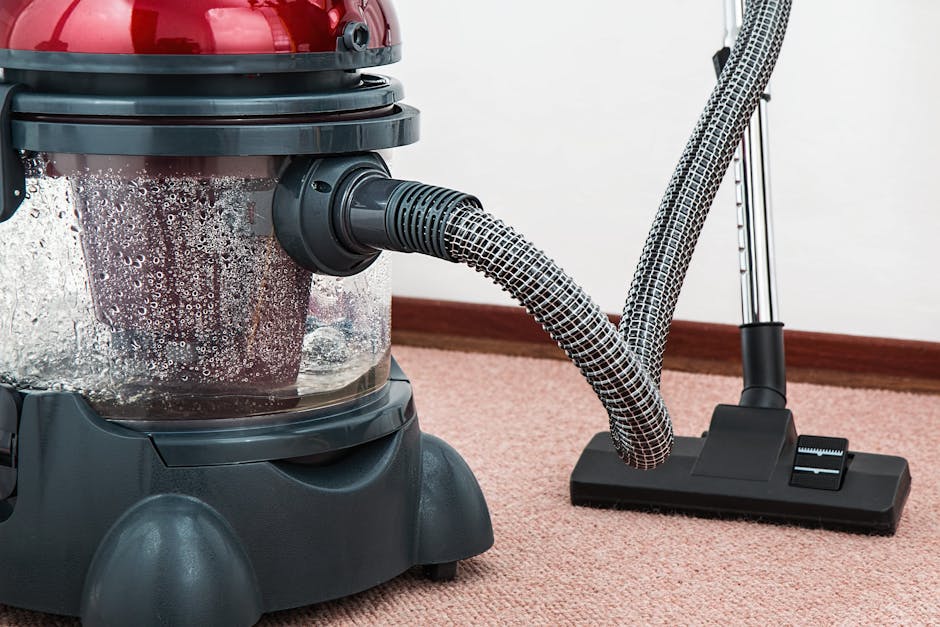
Not every domestic cleaning job is only about hard surfaces. Floors and furnishings often determine how clean a room feels overall, which is why specialist care can be a useful part of the service. Carpet cleaning, rug cleaning, sofa cleaning and upholstery cleaning each address different materials and different kinds of soiling. A home may only need one of these treatments, or it may benefit from several being considered together where the furniture and flooring are part of the same lived-in space.
The right choice depends on material, use and visible condition. Carpet care is usually about fibres, traffic lanes and embedded dirt. Upholstery care needs a gentler approach, especially when the fabric is more delicate or the item is used heavily. Rugs can vary from everyday pieces to more decorative items, so the method should suit the weave and finish. If you want a focused page for these tasks, the relevant options are available through carpet cleaner, rug cleaning, upholstery cleaning and carpets cleaner.
For quotation purposes, it is helpful to note the number of items, the approximate size of the rooms and any visible problem areas such as traffic marks or stains. That gives a better basis for suggesting the right level of care without promising a one-size-fits-all result. The right cleaning method should always suit the material first. If you want the whole home treated, a combined plan may be more efficient than arranging each item separately.
What to include when asking for a quotation
A good quotation request does not need to be lengthy. The most helpful details are usually the size of the property, the rooms you want cleaned, whether the visit is regular or one-off, and any tasks that need special attention. If you already know that the kitchen, bathrooms or soft furnishings need extra care, mention that clearly. This keeps the reply focused and avoids unnecessary back-and-forth while still leaving room to tailor the service properly.
It also helps to say whether the home is empty, fully furnished or partially furnished, and whether there are any access points or time preferences that should be considered. These practical details allow the work to be planned more accurately and reduce the chance of misunderstanding. You do not need to write a full inventory, but a short description of the property and its condition is enough to start. If the job includes specialist surfaces or cleaning beyond the ordinary, add that to the same note rather than splitting it across several messages.
For a straightforward next step, gather the main facts and ask for a quotation in plain terms. If you need another service alongside domestic cleaning, you can review the wider options, including cleaning company, cleaners and home cleaners, before deciding how to proceed. The aim is to make the request clear, so the response can be equally clear and useful.
About London
London is a large and varied capital city built on the River Thames, with a history that stretches from Roman foundations to the present day. Its geography is shaped by the river, historic bridges, railway corridors and a patchwork of districts that developed at different times and for different purposes. The City of London preserves the core of the ancient settlement, while Westminster holds many of the institutions associated with national government and ceremonial life. Across the wider metropolis, Victorian terraces, Edwardian estates, post-war housing and contemporary developments sit beside one another, creating a layered urban landscape rather than a single uniform centre. Museums, theatres, galleries and concert halls give the city an unusually dense cultural life, and many of these are concentrated in areas such as South Kensington, the West End and Bankside. Parks also play a major role in how London is experienced day to day: Hyde Park, Regent’s Park, Hampstead Heath and Greenwich Park each offer very different open spaces within the same city. The Thames remains one of the most recognisable features, with embankments, riverside walks and historic crossings linking neighbourhoods on both sides of the water. Transport has long helped define London’s identity as well, from the Underground and rail network to bus routes and cycle corridors. As a place, it is at once historic and continually changing, with local character often shifting block by block rather than district by district.
Clear pricing factors and final steps

Pricing for domestic cleaning is usually shaped by the size of the property, the rooms to be covered, the level of detail required and whether the work is regular or occasional. A kitchen or bathroom with more detailed cleaning needs can affect the scope differently from a simple general tidy-up. Specialist work such as carpet, upholstery or floor care may also change the structure of the quotation because it involves different methods and materials. A sensible estimate should reflect those differences without padding the job with unnecessary extras.
There is value in being specific but concise. If you want a regular home clean, say which rooms form the usual visit. If you need a one-off or deep clean, explain what has built up and where the priority lies. If you are combining domestic cleaning with specialist tasks, list the items together so the request can be handled as one coherent job. For more detail on how related cleaning services are framed, the pricing and quotes page is available as a helpful next step.
When you are ready, ask for a quotation in plain language and include the main rooms, the cleaning level and any special areas of concern. That is usually enough to begin shaping a useful reply. Please get in touch for a quote and we will help you move from a general idea to a practical cleaning plan that suits your home.