Health and Safety Policy for Domestic Cleaning London
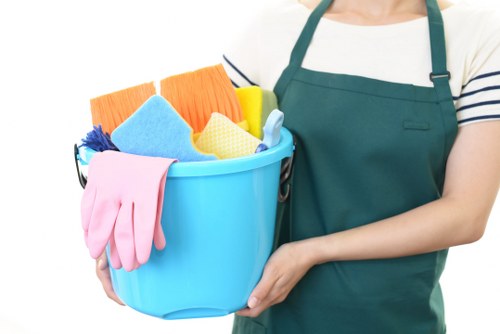 Domestic cleaning London services must be carried out with a clear commitment to health, safety, and care at every stage of the work. This policy sets out the standards expected from cleaners, supervisors, and anyone involved in delivering a safe and reliable home cleaning service. The aim is to protect clients, workers, visitors, and property while ensuring that cleaning tasks are completed efficiently and responsibly.
Our approach is based on prevention, awareness, and consistent good practice. Whether performing routine housekeeping, deep cleaning, or specialist cleaning, every task should be completed in a way that reduces risk. A safe working environment supports better results, improves confidence, and helps maintain high-quality domestic cleaning across different homes and settings.
All team members are expected to understand their responsibilities before starting work. This includes following safe methods, using equipment correctly, and reporting hazards without delay. Health and safety is not treated as an optional extra; it is part of the basic standard of professional service.
 Risk assessment is central to every cleaning assignment. Before beginning work, cleaners should identify possible hazards such as wet floors, sharp objects, fragile items, uneven surfaces, poor ventilation, electrical equipment, or cleaning chemicals. In domestic cleaning London environments, risks can vary from home to home, so each property should be assessed individually rather than relying on assumptions.
Where hazards are identified, appropriate action must be taken. This may include isolating an area, using warning signs, improving ventilation, or selecting a safer cleaning product. Domestic cleaning safety depends on awareness and quick decision-making, especially in homes with children, older adults, pets, or residents with sensitivities.
Staff must also consider the physical demands of cleaning. Repeated bending, lifting, reaching, and carrying can cause strain if done incorrectly. Good posture, sensible pacing, and the use of suitable tools help reduce the chance of injury and support long-term wellbeing.
 Chemical safety is another essential part of this policy. Cleaning products should always be stored, handled, and used according to instructions. Products must never be mixed unless the manufacturer clearly states that it is safe to do so. Protective gloves, eye protection, or masks may be required depending on the task and the material being used. Safe domestic cleaning relies on using the right product for the right surface and applying it in the correct way.
When clients provide their own products, cleaners should check labels and alert the client if any item appears unsuitable, damaged, or unclear. In the event of a spill, immediate cleanup is required, along with ventilation if fumes are present. Staff should be familiar with the basic steps needed to respond to accidental exposure and should stop work if a product causes irritation or a safety concern.
Cleaning equipment also needs regular inspection and proper use. Vacuum cleaners, mops, cloths, extension tools, and other items should be kept in good condition so they do not create hazards. Damaged electrical equipment must not be used, and cords should be arranged to avoid trips and falls.
Personal protective equipment, where necessary, should be worn correctly and maintained in a clean condition. This may include gloves, aprons, masks, or slip-resistant footwear. The choice of equipment should match the job, the surface, and the level of exposure expected during the task. House cleaning London work often involves changing room conditions, so flexibility and attention to detail are important.
To support safe performance, workers should remain alert to hygiene standards. Hands must be washed regularly, especially after contact with waste, chemicals, or contaminated surfaces. Used cloths and cleaning materials should be separated where needed to prevent cross-contamination. Good hygiene practice protects both the cleaning team and the household.
Where waste is removed, it should be handled carefully and disposed of in line with the home’s instructions and general safety expectations. Sharp items, broken glass, and heavy bags require extra caution. Cleaners should never compress waste with bare hands or place themselves at unnecessary risk when clearing bins or moving rubbish.
Communication is essential for safe domestic cleaning services. Workers should confirm any special instructions before starting, including areas to avoid, security arrangements, fragile items, or health sensitivities. If a homeowner is present, respectful communication helps ensure that everyone understands what is being done and what risks may exist during the visit.
Children, pets, and vulnerable individuals may be affected by cleaning activity, so extra care is needed around open doors, products, tools, and wet surfaces. Domestic cleaning services London should always be delivered in a way that prioritises safety, privacy, and respect for the household.
Any incident, near miss, or unsafe condition must be reported promptly. This includes slips, cuts, equipment faults, accidental breakages, and exposure to hazardous substances. Reporting helps improve future practice and prevents repeated problems. A responsible cleaning service learns from incidents and applies improvements quickly.
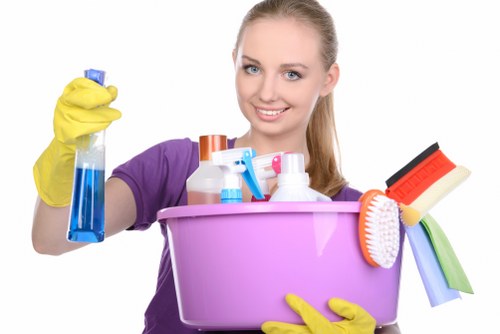 Training, supervision, and review are key to maintaining high standards. Staff should receive ongoing instruction on safe working methods, correct product use, emergency response, manual handling, and property-specific risks. Refresher support helps ensure that procedures remain current and that all team members understand what is expected of them.
Supervisors should regularly review practices to check that standards are being followed. This includes monitoring equipment condition, confirming that safe methods are used, and making adjustments where necessary. Continuous improvement is part of an effective domestic cleaning safety policy and helps protect everyone involved.
Emergency readiness is also important. Cleaners should know how to respond to fire, injury, spills, or other urgent situations in a calm and practical manner. If a serious risk appears, work should stop until it can be made safe. Protecting people always takes priority over completing the task quickly.
 This health and safety policy for domestic cleaning London reflects a commitment to professionalism, care, and responsibility. By following safe procedures, using equipment correctly, and staying alert to changing conditions, domestic cleaning teams can provide dependable service while minimising risk. A safe home cleaning environment benefits clients, workers, and the overall quality of the service.
Everyone involved in domestic cleaning should contribute to a culture of caution, respect, and accountability. When safety is treated as a core part of the job, the result is cleaner homes, fewer incidents, and a more reliable service for every household.