End of Tenancy Cleaning in London: A Practical, Professional Approach to Securing Your Deposit
End of tenancy cleaning in London is one of the most important steps before handing back a rented property. Whether you are moving out of a studio flat in Zone 1, a family home in North London, or a shared apartment in East London, the final condition of the property can strongly affect how quickly the tenancy ends and how much of your deposit is returned. For many renters, end of tenancy cleaning feels like one more task in an already stressful move. Yet with the right plan, the process becomes manageable, efficient, and far less overwhelming.
Landlords and letting agents in the capital often expect a high standard of cleanliness at check-out. That means more than a quick tidy-up. It usually involves deep cleaning kitchen appliances, descaling bathrooms, removing dust from hard-to-reach places, and leaving floors, fixtures, and fittings in a presentable condition. In a city as busy as London, where tenants often work long hours and move between demanding schedules, professional end of tenancy cleaning can save time and reduce the risk of disputes.
In this article, we explore what end of tenancy cleaning in London involves, why it matters, what to clean, how to prepare, and how to make the process smoother. If you are planning a move and want the property to meet inspection standards, book your service now and make the final stage of your tenancy less stressful.
What End of Tenancy Cleaning Means in London
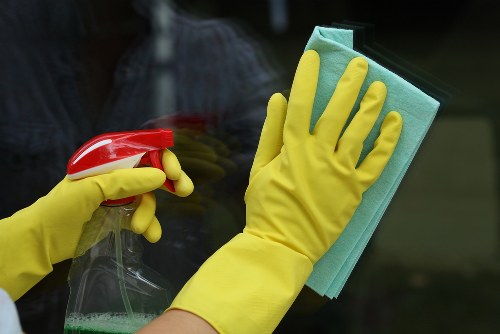
End of tenancy cleaning is a deep clean performed when a tenant vacates a rental property. The aim is to return the home to a condition that aligns with the tenancy agreement and the expectations set out by the landlord or letting agent. In London, where properties range from modern apartments to period conversions, cleaning requirements can differ, but the core idea remains the same: the property should be left thoroughly clean and ready for the next occupant.
This service is often much more detailed than regular domestic cleaning. While weekly cleaning may focus on visible surfaces and routine tasks, end of tenancy cleaning in London includes areas that are often neglected in everyday maintenance. Think behind appliances, inside cabinets, under beds, along skirting boards, and around bathroom grout. These details matter because inspections are usually based on a careful visual check.
For tenants, the goal is simple: leave the property in a condition that avoids deductions and speeds up the checkout process. For landlords and agents, a professionally cleaned space is easier to market and hand over. This is why end of tenancy cleaning has become such a common part of moving house in London.
Why End of Tenancy Cleaning Matters So Much
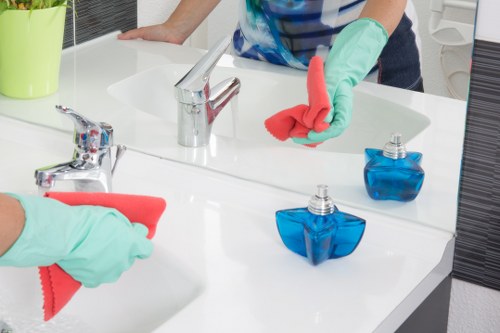
One of the biggest reasons end of tenancy cleaning in London is important is the deposit. Under most tenancy agreements, the property must be returned in the same condition as when the tenant moved in, allowing for fair wear and tear. If the property is not cleaned properly, landlords may request deductions for cleaning costs, which can reduce the amount refunded.
Another reason is compliance with tenancy expectations. Many inventory reports include detailed notes and photographs taken at move-in. During check-out, the property is compared with these records. Even if the tenant has been careful during the tenancy, limescale, grease, dust, and stains can accumulate over time. A thorough clean shows responsibility and helps prevent disagreement.
Time is also a major factor. Moving in London can be chaotic. Between packing, transport, final bills, and address changes, cleaning often becomes the last thing people want to do. Hiring professionals or following a structured approach saves valuable time and creates a better result. It also reduces the pressure of trying to do everything during a narrow moving window.
What Is Included in End of Tenancy Cleaning?
End of tenancy cleaning in London usually covers every accessible room in the property. The exact checklist may vary, but a strong standard clean typically includes the following tasks:
- Dusting and wiping all reachable surfaces
- Cleaning kitchen cupboards inside and out
- Degreasing ovens, hobs, extractors, and splashbacks
- Cleaning sinks, taps, baths, showers, toilets, and tiles
- Vacuuming carpets and upholstery where applicable
- Mopping hard floors
- Cleaning windows from the inside
- Removing cobwebs and dust from corners and ceilings
- Wiping doors, handles, switches, and skirting boards
- Cleaning mirrors, glass, and visible fixtures
Professional end of tenancy cleaning in London often goes beyond this list and may include more targeted tasks depending on the property type. For example, a furnished flat may require furniture dusting and internal wardrobe cleaning, while a house with a utility room may need additional attention to appliances and storage spaces.
It is worth remembering that landlords usually expect the property to be cleaned to an acceptable inspection standard, not just superficially tidied. That is why deep cleaning matters so much at the end of a tenancy.
Areas That Need Special Attention

Some parts of a property attract more scrutiny than others during an end of tenancy inspection. In London rental homes, these high-priority areas often make the biggest difference in whether the place passes easily or requires a follow-up clean.
Kitchen cleaning priorities
The kitchen is usually the most demanding room. Grease builds up on hobs, splashbacks, cupboards, and extractor fans. Ovens are particularly important because many inventory checks focus on their condition. Inside fridges, freezers, and dishwashers may also need careful cleaning, depending on what is included in the tenancy.
Bathroom cleaning priorities
Bathrooms need special care because limescale, soap residue, and mould can quickly become visible. Taps, shower screens, drains, toilet bases, and tile grout all need thorough attention. In London, where hard water is common in many areas, descaling is often essential.
Living room and bedroom priorities
In other rooms, dust and marks are the main concerns. Skirting boards, light fittings, windowsills, radiator tops, and wardrobes can collect dust over time. If the property has carpets, vacuuming alone may not be enough if there are stains or heavy foot traffic.
These details matter because they create the overall impression of care. A property can look neat at first glance, but neglected corners or greasy kitchen fixtures may still result in inspection issues.
How End of Tenancy Cleaning in London Differs from Regular Cleaning
Regular cleaning keeps a home pleasant to live in. End of tenancy cleaning in London is a reset. It is more methodical, more detailed, and usually more time-intensive. The purpose is not simply to maintain the property but to return it as close as possible to the condition expected by the landlord or letting agent.
Another key difference is scope. Everyday cleaning may focus on visible surfaces, but end of tenancy cleaning often includes hidden or rarely touched areas. Cupboard shelves, light switches, inside appliance seals, and the edges of floors are all part of the process. This level of detail is what helps properties pass check-out inspections.
There is also an emotional difference. Regular cleaning happens while a tenant is still living in the home. End of tenancy cleaning takes place under time pressure, often alongside moving boxes and last-minute arrangements. This is why many tenants in London choose professional cleaners who specialise in rental properties.
Common Mistakes Tenants Make Before Moving Out

Even careful tenants can make mistakes during the moving-out stage. Understanding these issues can help you avoid them and improve the outcome of your end of tenancy cleaning in London.
- Leaving the cleaning too late. Waiting until the final day makes it harder to do a proper job.
- Ignoring appliance interiors. Ovens, fridges, and microwaves are often inspected closely.
- Forgetting limescale and mould. Bathrooms are frequently checked for these issues.
- Using the wrong products. Harsh chemicals can damage surfaces and create new problems.
- Not checking the inventory report. This can lead to missed details that matter at check-out.
Avoiding these mistakes helps you save money and reduces the chances of deductions. It also makes the move feel more organised. When every task has a place, the final days of your tenancy become much easier to manage.
Planning ahead is always better than trying to clean everything under pressure. In a fast-paced city like London, that advice is especially true.
Why Professional End of Tenancy Cleaning Is Popular in London
London is a city where time is valuable, and the rental market moves quickly. Professional end of tenancy cleaning is popular because it offers convenience, consistency, and a strong finish. Tenants want a reliable result, and landlords want the property returned in clean condition. Professional cleaners provide a structured service designed to meet those expectations.
Another reason for the popularity of professional services is the size and variety of London properties. Some flats have compact kitchens with awkward layouts. Others have multiple bathrooms, large windows, or difficult-to-reach storage areas. Experienced cleaners understand how to work efficiently across different property styles and surface types.
Professional cleaning also brings peace of mind. Instead of worrying whether the oven has been cleaned well enough or whether dust remains behind furniture, tenants can focus on moving out. That confidence is a major benefit during a stressful period.
How to Prepare for an End of Tenancy Clean

Preparation makes a big difference. Even if you plan to use a professional end of tenancy cleaning service in London, a little organisation beforehand can improve the result and reduce delays.
Step-by-step preparation tips
- Remove all personal belongings. Clear cupboards, wardrobes, drawers, shelves, and storage spaces.
- Defrost the freezer. This needs time, so start early if the property includes one.
- Dispose of rubbish. Empty bins and remove leftover food before cleaning begins.
- Check the tenancy agreement. Look for any specific cleaning clauses or expectations.
- Take photos before and after. This can help if any questions arise later.
- Report repairs early. Cleaning is not a substitute for fixing damage.
If the property is already empty, the cleaning process is usually much smoother. Empty rooms allow faster access to surfaces and corners, which means a better finish in less time.
Many tenants find that combining a quick pre-clean with a professional service gives the best result. That way, obvious clutter is removed in advance, and specialists can focus on the deep-clean tasks that matter most.
Checklist for a Strong End of Tenancy Clean
A clear checklist helps keep everything on track. Below is a practical checklist for end of tenancy cleaning in London:
- Kitchen units wiped inside and out
- Oven degreased and cleaned thoroughly
- Hob, extractor, and splashback cleaned
- Fridge and freezer cleaned after defrosting
- Bathroom limescale removed
- Toilet, sink, bath, and shower sanitised
- All floors vacuumed or mopped
- Windows cleaned internally
- Light switches and handles wiped
- Skirting boards and corners dusted
- Furniture cleaned if included
- Mirrors and glass polished
- Rubbish removed from the property
This list can be adjusted depending on the condition of the home and the tenancy agreement. The more detailed the checklist, the easier it is to stay consistent.
Using a checklist is especially useful for larger homes or shared properties where responsibilities may be split between several tenants.
End of Tenancy Cleaning for Different Property Types
Flats and apartments
Many London rentals are flats, especially in central and inner boroughs. These properties often have compact kitchens and bathrooms, which means cleaning must be efficient and detailed. Shared hallways and building rules may also affect timing and access.
Houses
Terraced houses, semi-detached homes, and converted properties may have more rooms, more storage, and sometimes additional features like conservatories or loft spaces. End of tenancy cleaning in London homes may therefore take longer and require more attention across multiple floors.
Furnished properties
Furnished rentals need extra care. Furniture, mattresses, sofas, and wardrobes all need cleaning and inspection. Marks, dust, and stains are more likely to be checked because the landlord is supplying those items for future tenants.
Whatever the property type, the principle is the same: the space should feel clean, fresh, and ready for a new occupant.
How to Choose the Right Cleaning Service in London
If you decide to hire a professional team, it helps to choose a service that specialises in end of tenancy cleaning in London rather than general domestic cleaning. Specialised cleaners are more familiar with move-out standards, inventory expectations, and the detail required to pass an inspection.
Look for services that clearly outline what is included, how long the clean will take, and whether they offer follow-up support if something is missed. Transparency is important. A clear description of the cleaning scope helps avoid confusion and makes it easier to compare options.
Flexibility matters too. London moves often happen on tight schedules, so a cleaning team that can work around your move-out date is a real advantage. If you are preparing to leave a rental soon, contact us today and arrange a service that fits your timeline.
Benefits of a Proper End of Tenancy Clean
There are many advantages to doing end of tenancy cleaning in London properly. The first is the obvious one: a cleaner property is more likely to support a full or higher deposit return. That alone makes the effort worthwhile.
Another benefit is reduced stress. Moving is already one of the busiest life events, and anything that simplifies the process has value. A clean property can also make the final handover quicker and smoother, which is useful if you need to complete everything in a single day.
A third benefit is reputation. Even if you are not planning to rent again immediately, leaving a property in excellent condition reflects well on you as a tenant. In a competitive rental market, that can matter more than many people realise.
Final Thoughts on End of Tenancy Cleaning in London
End of tenancy cleaning in London is more than a final chore. It is a practical step that protects your deposit, reduces stress, and helps ensure the handover goes smoothly. From kitchen appliances to bathroom fittings, every detail matters. Whether you clean the property yourself or hire professionals, the key is to work methodically and leave nothing to chance.
With the right preparation, a solid checklist, and attention to the areas landlords inspect most closely, you can make the move-out process far easier. In a city known for busy schedules and fast-moving rentals, that kind of organisation is invaluable.
If your tenancy is ending soon, now is the right time to act. Book your service now and make sure your property is left spotless, presentable, and ready for inspection.